[Archive]
26th & 27th of February 2026
University of Madeira • Campus of Penteada • Senate Conference Room
NOTE: The 21st CIE-UMa Colloquium & 1st International Congress on Education: “Learning in the Digital Era: Pedagogical Innovation and Artificial Intelligence” is accredited (ITG‑4294/26), with a total duration of 10 hours, for regional (RAM) career progression purposes for Teachers of all Recruitment Groups, under the terms of Ordinance No. 36/2021, of 18th of February.
Introduction
The 21st Colloquium of the Research Center in Education at the University of Madeira (CIE-UMa) will be held jointly with the 1st International Education Congress under the theme “Learning in the Digital Era: Pedagogical Innovation and Artificial Intelligence”. This event aims to provide a space for critical reflection and sharing of experiences on the challenges and opportunities that digital transformation, Pedagogical Innovation, and Artificial Intelligence bring to education.
In a time marked by technological transformation and the integration of Artificial Intelligence into educational processes, this meeting proposes a critical and collaborative debate on pedagogical innovation, equity, and ethics in education. The digital revolution is redefining practices, spaces, and learning times, requiring new skills, methodologies, and policies. In this context, it is essential to discuss strategies that promote inclusive, ethical, and humanized education.
The Colloquium and Congress constitute a privileged space for researchers, education professionals, and students to share experiences, present research results, and discuss strategies for an education capable of meeting the demands of the 21st century.
We invite all those interested to participate in this Colloquium and International Congress, contributing to the construction of an integrated vision of the role of Technology, Artificial Intelligence, and Pedagogical Innovation in promoting educational quality, creativity, and global citizenship.
Objectives
- Promote debate on the impacts of Digital Technology, Artificial Intelligence, and Pedagogical Innovation in educational processes;
- Share innovative practices and research findings that contribute to improving educational quality;
- Reflect on ethical and social issues associated with the integration of technology and Artificial Intelligence in education;
- Foster collaboration networks among researchers and professionals at national and international levels.
Thematic axes
- Pedagogical Innovation and Digital Technologies
- Active Methodologies
- Emerging Learning Environments
- Artificial Intelligence in Education
- Applications of Artificial Intelligence in Teaching and Assessment
- Ethics, Privacy, and Equity in the use of Artificial Intelligence
- Teacher Training in the Digital Era
- Digital Competencies and Professional Development
- Challenges of Technological Integration in Teaching Practice
- Educational Policies and Digital Inclusion
- Strategies for Equity and Inclusion
- Education for Digital Citizenship
- Educational Administration in the Digital Era
- Leadership and Organizational Innovation in Digital Environments
- Ethics and Artificial Intelligence in the Digital Transformation of Educational Organizations
Conferences
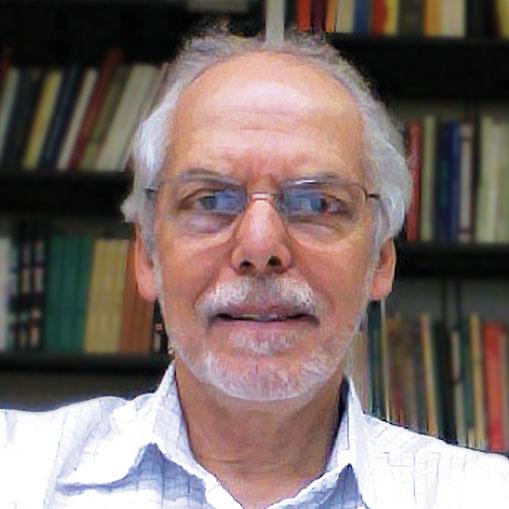 João Filipe Lacerda MatosRetired Professor at the University of Lisbon and Invited
 and Professor at Lusófona University
“Artificial Intelligence in Higher Education: Between Myths and Realities“
 João CouvaneiroProfessor at Egas Moniz – School of Health & Science,
 Member of the National Education Council, and CNIPES
“The Primacy of Pedagogy over Technology“
 Nuno Ricardo OliveiraHigher Institute of Education and Sciences of Lisbon (ISEC Lisbon),
 Nova SBE, LE@D | Aberta University, and CNIPES
“Ensinar e aprender no tempo da IA Generativa:
Desafios Éticos e Oportunidades para o Ensino Superior”
 Gorete PereiraDepartment of Educational Sciences – Faculty of Social Sciences,
University of Madeira (FCS-UMa), CIE-UMa, and SAPIEN
“SAPIEN: Novos Horizontes na Formação de Professores do Ensino Superior“
 Paula Cristina LopesDepartment of Mathematics – Faculty of Exact Sciences and Engineering,
University of Madeira (FCEE – UMa) CIE-UMa, and SAPIEN
“Coocriação de Cenários de Aprendizagem: Um Caminho para a Inovação Pedagógica”
Committees
Organisers
Gorete Pereira
Paula Cristina Lopes
Organising Committee
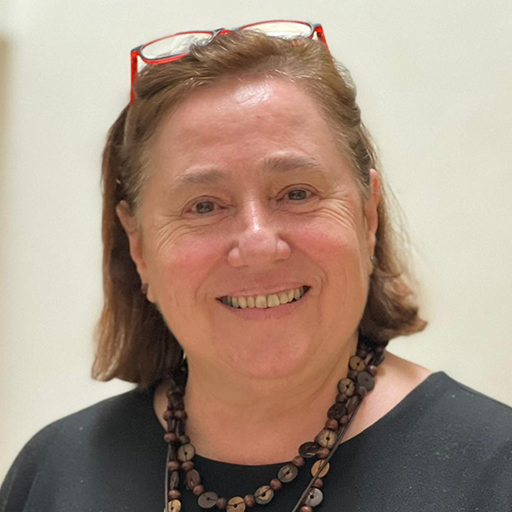
Ana França

Carla Gonçalves
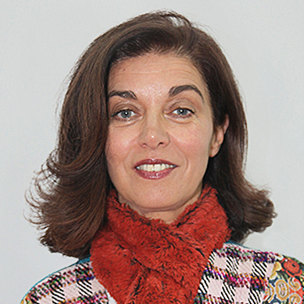
Elsa Fernandes

Énio Freitas

Érica Pereira

Fernanda Gouveia
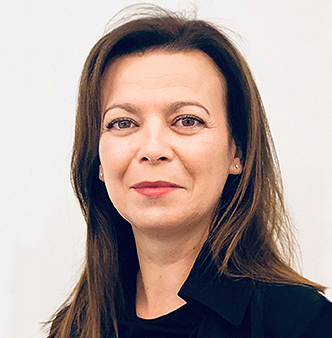
Liliana Rodrigues

M.ª José Camacho

Nuno Fraga

Sofia Silva

Sónia Abreu

Sónia Martins
Scientific Committee
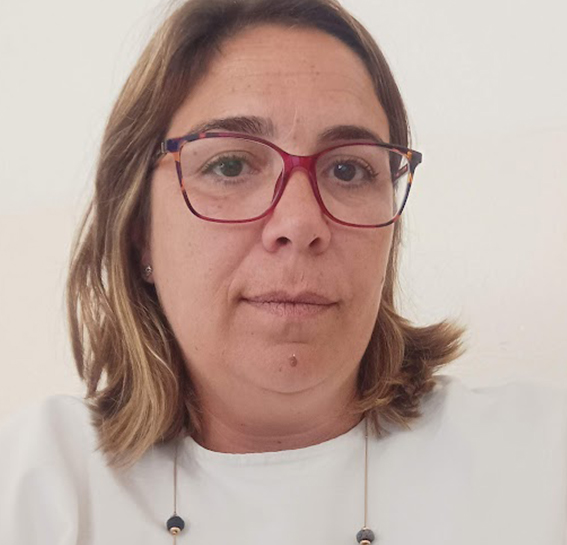
Adérita Fernandes
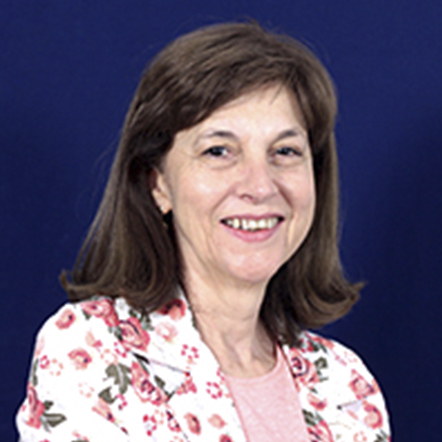
Amélia Lopes

Ana Amélia Carvalho
Ana Cristina Duarte
Ana França

Ana Isabel Gouveia
André Freitas
Angélica Monteiro
António Moreira
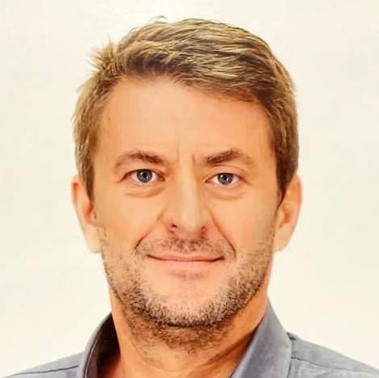
Arnaldo Fonseca

Bárbara Pereira
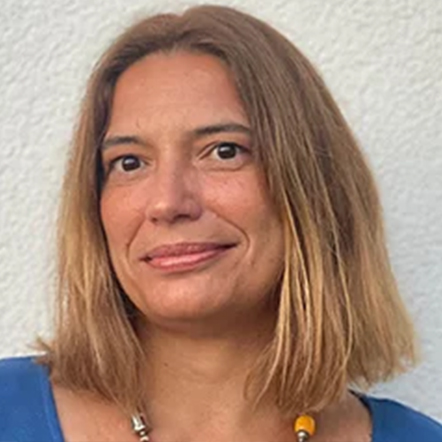
Carla Galego
Carla Gonçalves
Carlos Fonseca Carreto
Catarina Delgado
Eduardo Esteves
Elsa Estrela
Elsa Fernandes
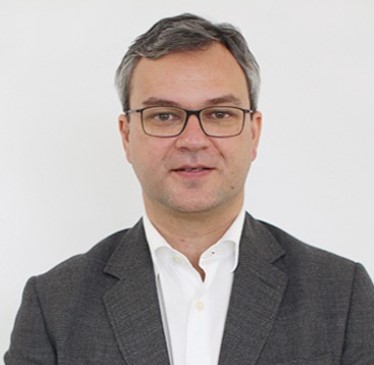
Élvio Rúbio Gouveia
Fernanda Gouveia
Fernando António Trindade Rebola

Fernando Correia
Gorete Pereira
Guida Mendes
Hélder Lopes
Hélder Spínola

Inês Ferraz
João Couvaneiro
João Filipe Lacerda Matos
Liliana Rodrigues
M.ª José Camacho
Mª. João Cardona
Mariana Estrela

Natalina Santos
Nuno Eduardo Marques de Loureiro
Nuno Fraga
Nuno Ricardo Oliveira
Paula Cristina Lopes
Ricardo Emanuel Cunha Teixeira
Rogéria Soares

Sílvia Carreira
Sofia Silva
Sónia Abreu
Sónia Galinha
Sónia Martins
Valdemar Sousa
Program
26 de fevereiro 2026
Local: Universidade da Madeira, Campus da Penteada, Sala do Senado
[Horários apresentados: Hora de Lisboa, Portugal – ver aqui]
13h30 – 14h00
Receção dos participantes
14h00 – 14h30
Sessão de abertura
14h30 – 15h30
Conferência 1
“O primado da pedagogia sobre a tecnologia”
João Couvaneiro, Professor da Egas Moniz – School of Health & Science, Conselheiro do Conselho Nacional de Educação e CNIPES
Moderador: Fernando Correia
15h30 – 15h45
Intervalo
15h45 – 16h45
Conferência 2
“Cocriação de Cenários de Aprendizagem: Um Caminho para a Inovação Pedagógica”
Paula Cristina Lopes, Professora Auxiliar Convidada da Universidade da Madeira
Moderadora: Sónia Martins
27 de fevereiro 2026
Local: Universidade da Madeira, Campus Universitário da Penteada, Sala do Senado
[Horários apresentados: Hora de Lisboa, Portugal – ver aqui]
08h30 – 09h00
Receção dos participantes
09h00 – 11h30
Comunicações nas oficinas
11h30 – 11h45
Intervalo
11h45 – 12h45
Conferência 3
“IA na Educação no Ensino Superior: entre mitos e realidades“
João Filipe Lacerda Matos, Professor Catedrático Jubilado da Universidade de Lisboa e Professor Catedrático Convidado da Universidade Lusófona
Moderadora: Liliana Rodrigues
12h45 – 13h00
Debate
13h00 – 14h30
Almoço
14h30 – 15h30
Conferência 4
“Ensinar e aprender no tempo da IA Generativa: Desafios Éticos e Oportunidades para o Ensino Superior”
Nuno Ricardo Oliveira, Instituto Superior de Educação e Ciências de Lisboa (ISEC Lisboa), Nova SBE, LE@D | Universidade Aberta e CNIPES
Moderadora: Sónia Abreu
15h30 – 15h45
Intervalo
15h45 – 16h45
Conferência 5
“SAPIEN: Novos Horizontes na Formação de Professores do Ensino Superior”
Gorete Pereira, Professora Associada da Universidade da Madeira
Moderadora: Fernanda Gouveia
16h45 – 17h00
Sessão de encerramento
19h30
Jantar do Colóquio / Congresso
Restaurante A Tipografia
On-site Attendance
| Type of registration | With communication | Without communication |
|---|---|---|
| CIE-UMa researches and Cooperating Teachers | Free | Free |
| Professors/Researchers | 40 EUR | 30 EUR |
| UMa Students (BSc. / MSc. / PhD Students) | 10 EUR | 5 EUR |
| Students from other istitution (BSc. / MSc. / PhD Students) | 20 EUR | 10 EUR |
| Professional Education | 30 EUR | 20 EUR |
| General Public | – | 20 EUR |
Online Attendance
| Type of registration | With communication | Without communication |
|---|---|---|
| CIE-UMa researches and Cooperating Teachers | Free | Free |
| Professors/Researchers | 30 EUR | 22,5 EUR |
| UMa Students (BSc. / MSc. / PhD Students) | 7,5 EUR | 4 EUR |
| Students from other istitution (BSc. / MSc. / PhD Students) | 15 EUR | 7,5 EUR |
| Professional Education | 22,5 EUR | 15 EUR |
| General Public | – | 15 EUR |
Communications
Submit your proposal for a communication by the 31st of January 2026 (CLOSED!).
An abstract in Portuguese and English must be included (up to 2.000 characters each).
All proposals must aling with one of the research lines of the Colloquium/Congress – view here.
Participants may submit one presentation as the first author and two as a co-author. Each submission may include a maximum of five (5) authors, who must be duly linked to the article at the time of submission.
The acceptance of proposals will be announced by email by 9th of February 2026.